Types of Composite Siding: Which Option Is Right for Your Home?
Choosing new siding is a big decision. After all, it is one of the first things people notice about your home, and it plays a major role in protecting the structure from the elements. If you have been researching types of composite siding, you are probably looking for something that combines durability, attractive design, and low maintenance.
The good news is that today’s composite siding options can deliver all three. Unlike traditional wood siding that requires frequent upkeep, composite materials are engineered to withstand moisture, pests, and changing weather conditions while maintaining their appearance for decades.
“The best siding is not simply the one that looks beautiful today—it is the one that continues protecting and enhancing your home for years to come.”
Understanding the Different Types of Composite Siding
Composite siding is not a single product. It is a broad category of engineered exterior materials designed to provide the appearance of natural wood with improved durability and lower maintenance requirements.
Most products combine several materials, including:
- Wood fibers
- Resins and polymers
- Cement or mineral additives
- Protective binding agents
Each combination creates different performance characteristics, making certain products better suited for particular climates, budgets, and architectural styles.
Engineered Wood Composite Siding
If you love the warmth and texture of natural wood, engineered wood siding is often one of the closest alternatives. It combines real wood fibers with advanced resins to create panels that resist insects, moisture, and warping more effectively than traditional lumber.
This option may be ideal if you want:
- A traditional wood appearance
- Lightweight installation
- Good value for the investment
- Improved resistance to pests
Polymer Composite Siding
Are you looking for a siding material that requires very little ongoing care? Polymer siding is manufactured primarily from synthetic materials, making it highly resistant to water damage, fading, and many common exterior maintenance concerns.
Its primary benefits include:
- Excellent moisture resistance
- Minimal maintenance
- Durable factory-applied finishes
- Reliable performance in changing climates
Fiber Cement Composite Siding
Fiber cement remains one of the most durable composite siding options available. It is generally manufactured from cement, sand, cellulose fibers, and other reinforcing materials.
Many homeowners choose fiber cement because it provides:
- Strong weather protection
- Excellent fire resistance
- A long service life
- Premium curb appeal
Wood-Plastic Composite Siding
Wood-plastic composite siding combines wood fibers with plastic polymers, creating a balance between natural texture and engineered durability.
This material can provide:
- Enhanced moisture resistance
- Attractive wood-inspired texture
- Low maintenance requirements
- Reliable long-term performance
Quick Tip: When comparing types of composite siding, do not focus only on the material itself. Consider your local climate, maintenance preferences, warranty coverage, and the installer’s experience.
Choosing the Best Composite Siding Option for Your Home
Which material should you choose? The answer depends on your priorities.
If you want classic curb appeal, engineered wood may be the best fit. If maximum durability and fire resistance are more important, fiber cement deserves serious consideration. If you prefer the easiest maintenance possible, polymer siding may offer the right balance.
Another important factor is the siding profile. The same material can create a completely different exterior depending on how it is installed.
Popular design profiles include:
- Horizontal lap siding
- Board-and-batten siding
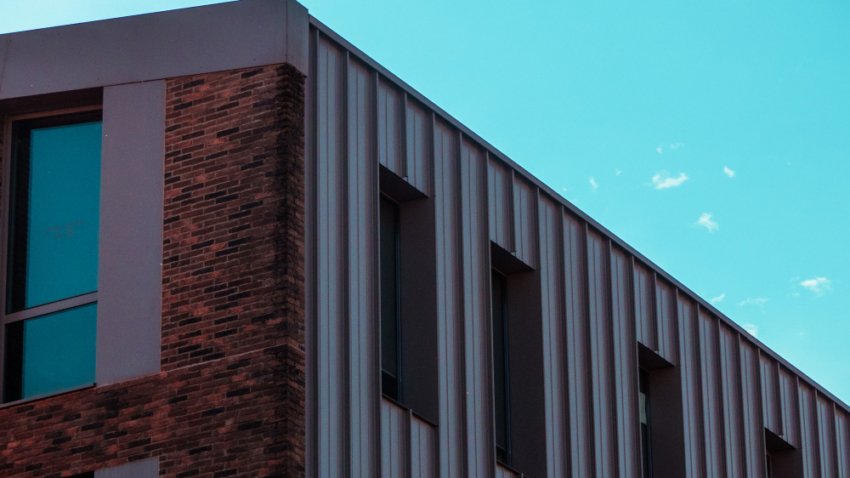
- Vertical panels
- Shake or shingle styles
The profile influences shadow lines, architectural character, and how large or compact the home appears from the street.
Installation quality is equally important. Even premium siding can develop problems if flashing, moisture barriers, fasteners, or expansion gaps are handled incorrectly.
Before choosing a material, ask yourself:
- What is my total remodeling budget?
- How much maintenance am I willing to perform?
- Does my region experience heavy rain, intense sun, wind, or snow?
- Which siding profile complements my home’s architecture?
- Am I renovating for resale or long-term ownership?
Common Mistakes That Can Reduce Siding Performance
Many siding problems begin with poor planning rather than product failure. Choosing carefully at the beginning can help prevent expensive repairs later.
Avoid these common mistakes:
- Choosing the least expensive product without evaluating durability
- Ignoring local climate conditions
- Hiring installers without composite siding experience
- Overlooking manufacturer warranty requirements
- Skipping routine inspections after installation
Professional installation protects more than appearance. It helps manage moisture, maintain ventilation behind the siding, and preserve the manufacturer’s intended performance standards.
Making a Confident Choice for Long-Term Value
Modern composite siding options give homeowners more flexibility than ever. Whether you prioritize natural beauty, weather resistance, low maintenance, fire protection, or long-term property value, there is likely a material suited to your goals.
Investing in the right siding is not only about improving curb appeal. It is also about protecting the structure, reducing future maintenance, and strengthening one of your largest financial assets.
By understanding the different types of composite siding, comparing their strengths, and working with experienced installation professionals, you can create an exterior that looks beautiful, performs reliably, and supports your home for many years.